


Delish
2.4183.00 Reviews
App Specs
- Version
- 2.2.5
- Updated On
- License
- Free
- Downloads
- 100,000+
- Developer
- Hearst Communications, Inc.
- Categories
- Food & Drink
- Platform
- Android
Screenshots

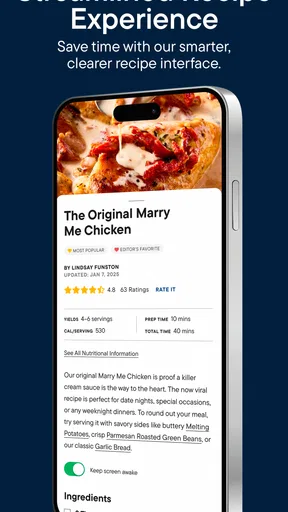
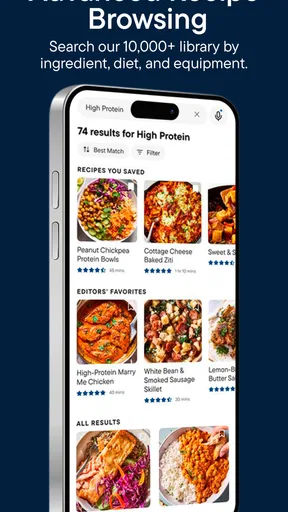
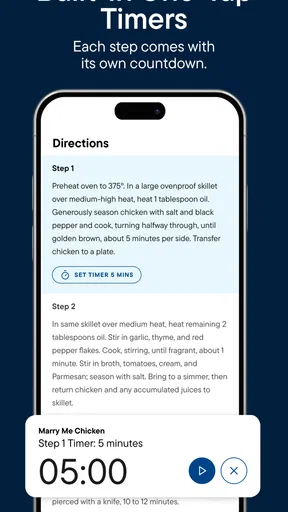
 Analysis by AppCompare
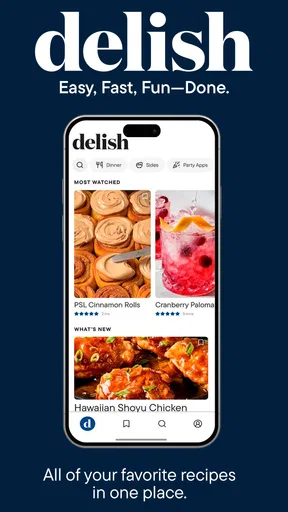
I opened Delish expecting a quick source of meal inspiration, and that is still the clearest way to understand it. This is a free Food & Drink app from Hearst Communications, Inc. built around daily recipe ideas rather than the broader job of managing an entire kitchen. I found it most useful when I knew I wanted to cook but had no idea what sounded good.
That distinction matters. Delish is not automatically the best replacement for a grocery planner, a nutrition tracker, or a carefully organized recipe notebook. Its appeal is more immediate: it helps turn a vague “what should I make?” moment into a shortlist of dishes worth considering. The experience feels suited to browsing, saving possibilities, and choosing something that matches the mood of the day.
The app is free to install and carries an Everyone age rating, which makes it approachable for households where several people may use the same device. There are also optional in-app purchases, ranging from a few dollars to several dozen dollars per item, so I would check what is included before treating the free download as the complete experience. Its current version is 2.2.5, and the app requires Android 7.0 or later.
How Delish feels in everyday use
I find this section most useful as a test of whether Delish can turn a passing craving into a workable dinner choice, rather than just another browsing session. I’ll focus on the small decisions that make shared cooking easier: choosing a few realistic options, checking them against what is already at home, and agreeing on one before anyone shops.
A useful answer to the daily cooking question
The strongest part of Delish is the way it fits into a small, ordinary routine. Imagine arriving home with chicken, a few vegetables, and no plan. Opening a general search engine can produce too many results, while a blank recipe notebook offers no starting point. Delish gives that moment a more focused direction by presenting ideas designed to spark a decision.
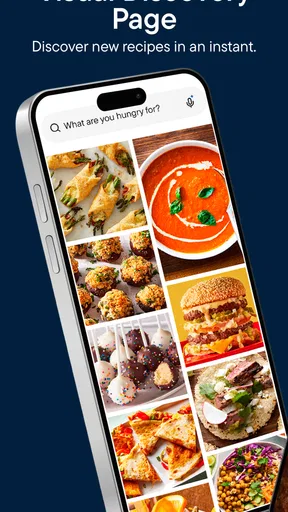
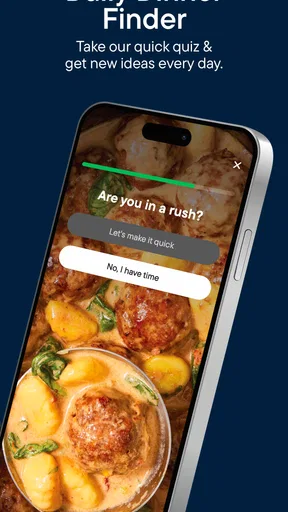
I would use it in two different ways. When I have time, I browse without a strict goal and save dishes that look practical for another day. When I am hungry and short on time, I look for something that resembles the ingredients or style of meal already in my head. That second use is where the app feels more valuable than a random stream of food content: it helps narrow the choice before I start shopping or cooking.
The daily angle also gives the app a gentle sense of momentum. Instead of relying only on recipes I already know, I am encouraged to revisit the app and see what catches my attention. That can be helpful for people who repeat the same small group of meals because planning feels tiring. A new idea does not need to be complicated to be useful; sometimes the benefit is simply breaking a habit.
Worth Reading Before You Choose

EA SPORTS FC Mobile 26 Is a Bigger Football Game, but It Takes Time

Flipboard Shows What News Apps Must Do Beyond the Feed

Switching to Android Auto Means Rethinking Your Driving Routine

Google Calendar Makes a Crowded Week Easier to Manage

Ludo King Makes the Most of the Minutes Between Plans

Baby Panda World Brings Quick Play to Modern Phones, but Its Game Library Feels Busy
Browsing is enjoyable, but browsing is not planning
There is a trade-off in this kind of design. Inspiration is easy to consume, while turning inspiration into dinner still requires judgment. I still need to consider what is in the cupboard, how long I can cook, whether everyone at the table will eat it, and whether buying the missing ingredients is worthwhile. Delish can start that process, but it does not remove the practical decisions that follow.
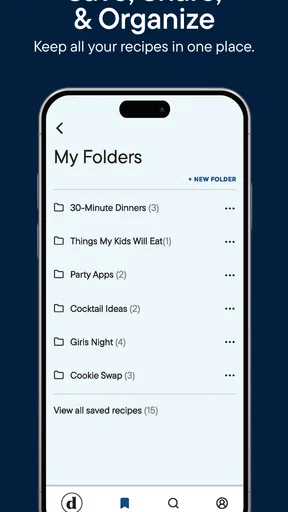
For me, the best workflow is to avoid saving every attractive dish. I save only recipes I can imagine making soon, then revisit that smaller group when planning meals. This is a simple but important habit: an inspiration app becomes less useful when the saved collection turns into an unfiltered pile of attractive photographs and half-formed intentions.
Another effective approach is to use the app before shopping rather than after. I can browse for a few ideas, choose one or two realistic candidates, and then build a short shopping list from those choices. That is more efficient than wandering through recipes while already standing in a store. It also exposes a key limitation early: if a dish depends on several specialty ingredients, I can reject it before it disrupts the rest of the week.
Who will get the most from it
Delish makes the most sense for people who enjoy discovering recipes but do not want to search the whole internet every time they cook. It is especially appealing to a beginner who wants familiar food inspiration without first learning how to organize a large personal collection. It can also help an experienced home cook who wants fresh ideas and is comfortable adapting a recipe around available ingredients.
I can see it working well for a busy household where one person usually decides what everyone will eat. Opening the app during a short break, selecting a few plausible options, and asking the family to choose one is easier than presenting an endless list of search results. The app can become a conversation starter rather than a strict authority on what dinner must be.
It is less suitable for someone who wants a highly controlled system. If your priority is exact calorie accounting, automatic pantry tracking, detailed batch cooking, or a carefully structured weekly schedule, a dedicated app in one of those areas will probably serve you better. Delish is strongest at the discovery stage, not at turning every meal into a quantified project.
How it compares with familiar alternatives
The usual alternative is a web search. Search offers enormous variety and can answer very specific questions, but it also makes the user do more filtering. Delish feels more curated in spirit: I open it to be inspired instead of typing a precise request. The trade-off is breadth. When I need a recipe built around an unusual ingredient or a very specific dietary rule, a focused search may be faster.
Another alternative is a social video platform. Short cooking videos can make a dish look approachable and show techniques visually, but they are not always convenient when I am measuring ingredients with messy hands. A dedicated recipe app has a more practical role at the counter, while video is often better for learning motion and texture. I would use Delish for choosing what to cook and another source when I need to see how a technique should look.
Personal notes and printed cookbooks remain useful too. Notes are private, flexible, and easy to customize, while a cookbook provides a stable collection that does not depend on deciding what to browse today. Delish offers more freshness than either option, but less personal history. The best setup for me would be using it to discover candidates, then recording successful adaptations somewhere I control.
What the current release tells me about the app
The next section looks at how I would judge Delish as it stands today, especially when deciding whether to keep using it or spend on optional items. I’ll also consider a practical boundary for shared devices: treating saved recipes as inspiration, while keeping important household notes and dietary checks somewhere everyone can reliably access.
A relatively new product with a clear identity
The app was released on September 30, 2025, so its current form should be viewed as an early stage rather than a mature kitchen platform with years of accumulated personal workflows. Version 2.2.5 shows that it has already moved beyond its initial release, which suggests ongoing refinement, but a version number alone does not prove that every rough edge has been solved.
That context affects my expectations. I would judge Delish primarily on whether it makes recipe discovery pleasant and useful today, not on whether it already matches specialized tools that have spent years building meal-planning systems. The product has room to develop, and users who install it now should be comfortable with the possibility that the experience will continue changing.
The public response is mixed. Delish has an average rating of 2.4 from around 255 ratings, with roughly 183 written reviews, while its install count is above 100,000. Those figures do not tell me exactly why each person felt disappointed or satisfied, but together they are a reason to approach the app thoughtfully rather than assuming that the polished idea automatically translates into a flawless experience on every device.
What version 2.2.5 means for existing users
For someone already using Delish, the current version is best treated as the baseline to evaluate before deciding whether optional spending is worthwhile. I would update through the normal app channel, spend several days using the free experience in my real cooking routine, and only then decide whether any paid item adds enough value. This avoids paying based on curiosity alone.
Existing users should also keep their expectations practical. A newer version can improve stability, presentation, or navigation, but it does not necessarily change the app’s central purpose. If you installed Delish hoping for a full pantry manager or a precise nutrition dashboard, a version update may not turn it into that kind of tool. The important question is whether the current recipe-discovery workflow fits your needs.
I would also avoid building a critical weekly routine around any single app immediately after installing it. Keep a backup of favorite recipes in your notes or another trusted place, especially if a dish has become part of your regular rotation. That is not a criticism unique to Delish; it is a sensible habit whenever saved cooking material matters to you.
Where the free model needs careful attention
The free price lowers the barrier to trying Delish, but the presence of in-app purchases changes how I evaluate it. Optional items cost between $4.99 and $34.99 each, which is a wide enough range that the value question deserves attention. I would look carefully at the purchase screen, understand whether an item is a one-time addition or part of a broader access model, and avoid assuming that every useful part of the app is included at no cost.
This is particularly important for casual users. If I only want occasional ideas, the free portion may be enough and a purchase may not make sense. A person who cooks frequently and returns to the app every week may judge the value differently. The right decision depends less on the headline price than on whether the paid material changes how often and how successfully the app helps you cook.
Parents and shared-device users should also remember that an Everyone rating describes general suitability, not personal taste or household dietary needs. I would still review recipes myself before serving them, check ingredients for allergies, and make sure younger users understand that an attractive recipe may require adult supervision around heat, knives, or appliances.
Practical gaps that affect the decision
The biggest gap is the distance between inspiration and execution. Seeing a recipe idea does not automatically tell me whether it fits my budget, equipment, schedule, or skill level. I have to do that translation myself. For a confident cook, that freedom is fine. For a beginner, it can be the point where enthusiasm fades unless the recipe is clearly manageable.
A second gap is the risk of collecting ideas without creating a repeatable plan. Delish can make me feel productive while I browse, even if I have not decided what to buy or when to cook. My solution is to impose a small limit: choose a short list, commit to one dish, and move on. That turns the app from entertainment into a decision tool.
A third gap concerns comparison shopping. If I am trying to use up a specific ingredient, minimize waste, or stay within a strict budget, I may need another tool or a handwritten check. Delish can inspire a meal, but I would not rely on it alone to optimize every ingredient across several days. That is where a dedicated meal planner or spreadsheet has a clearer advantage.
What I would like to see next
As Delish develops, I would watch for improvements that connect discovery with real kitchen decisions. Better ways to narrow ideas by available ingredients, preparation time, household preferences, or dietary requirements would make the daily browsing concept more actionable. Even small workflow improvements could help users move from “that looks good” to “I can make this tonight.”
I would also pay attention to how the app handles saved recipes over time. A strong collection should become easier to use, not merely larger. Clear organization, quick retrieval, and a way to distinguish recipes already tried from recipes still being considered would make repeat use more rewarding. These are the kinds of changes that matter more to me than a more decorative presentation.
The paid experience is another area worth watching. Because purchases span a noticeable range, transparency and practical value will be important. Users should be able to understand what they are buying and whether it solves a problem they actually have. If paid options remain focused on meaningful cooking help rather than simply adding more things to browse, frequent users may find them easier to justify.
My recommendation after using it
I would recommend Delish to a friend who wants a friendly stream of recipe inspiration and is willing to make the final planning decisions themselves. It is a good fit for the “I want to cook something different tonight” moment, particularly when a huge search engine feels overwhelming. The free download makes trying that workflow easy, and the Everyone rating keeps it broadly accessible.
I would not recommend relying on it as the only cooking tool for a strict meal plan, allergy-sensitive household, detailed nutrition program, or carefully managed grocery budget. In those situations, Delish may still provide ideas, but a specialized alternative should handle the structure and verification. I would also be cautious about paid purchases until I had used the free experience enough to know whether the app has become part of my routine.
My final view is positive but measured. Delish has a clear purpose, and that purpose is useful: helping me find a meal idea when my own imagination has run out. Its current release feels like a product worth trying rather than an all-in-one kitchen solution. If you approach it as a source of daily inspiration, keep your saved collection intentional, and use another method for shopping or dietary control when needed, it can earn a practical place in your cooking routine.
Pros
- Clear step-by-step recipes are easy for beginners to follow.
- Recipe photos make it easier to choose appealing dishes.
- Covers quick meals
- desserts
- drinks
- and special-occasion recipes.
- Useful cooking tips help improve preparation and presentation.
- Recipes can inspire meal planning beyond the usual everyday dishes.
Cons
- Some recipes require specialty ingredients that may be hard to find.
- The large recipe catalog can make specific dishes difficult to discover.
- Nutrition details are not consistently available for every recipe.
- Certain recipes involve long preparation times or multiple cooking steps.
- Video and image content may consume considerable mobile data.
FAQs for Delish
What is Delish, and what can I use the app for?
Delish is a food and recipe app designed to help you discover meal ideas, cooking inspiration, and practical guidance for preparing dishes at home. After exploring it, I found that its content is especially useful when you want quick weeknight recipes, entertaining ideas, desserts, or seasonal suggestions. Recipes are generally presented with ingredients, instructions, and helpful food-focused information.
Does Delish include recipes for different diets and cooking skill levels?
Yes, Delish offers a broad selection of recipes, so users can find options suited to different tastes, occasions, and levels of experience. You may encounter simple beginner-friendly meals alongside more involved recipes for confident home cooks. However, dietary coverage and ingredient suitability can vary from one recipe to another, so people with allergies or strict dietary requirements should always check the full ingredient list carefully.
Is Delish free to download and use?
Delish may be available to download at no initial cost, but access to all content can depend on the current version of the app and its subscription or premium-content policy. Some recipes or features may be freely accessible, while others could require registration, a paid plan, or an in-app purchase. Before downloading, review the store listing for the latest pricing and subscription details.
Does Delish require an internet connection?
An internet connection is generally useful for browsing newly published recipes, loading images, accessing videos, and receiving updated food content. Depending on the app version, some recipes may remain available after they have been opened or saved, but offline access should not be assumed for every feature. If you plan to cook somewhere without reliable service, check whether your chosen recipes can be saved beforehand.
Is Delish suitable for planning meals and saving favorite recipes?
Delish can be helpful for organizing cooking inspiration because users can browse recipes by meal type, occasion, or popular food trends, and supported versions may allow favorite recipes or content to be saved. Its usefulness for detailed meal planning depends on the available tools in your version, such as collections, shopping lists, or account synchronization. Check these features before downloading if structured planning is important to you.


